
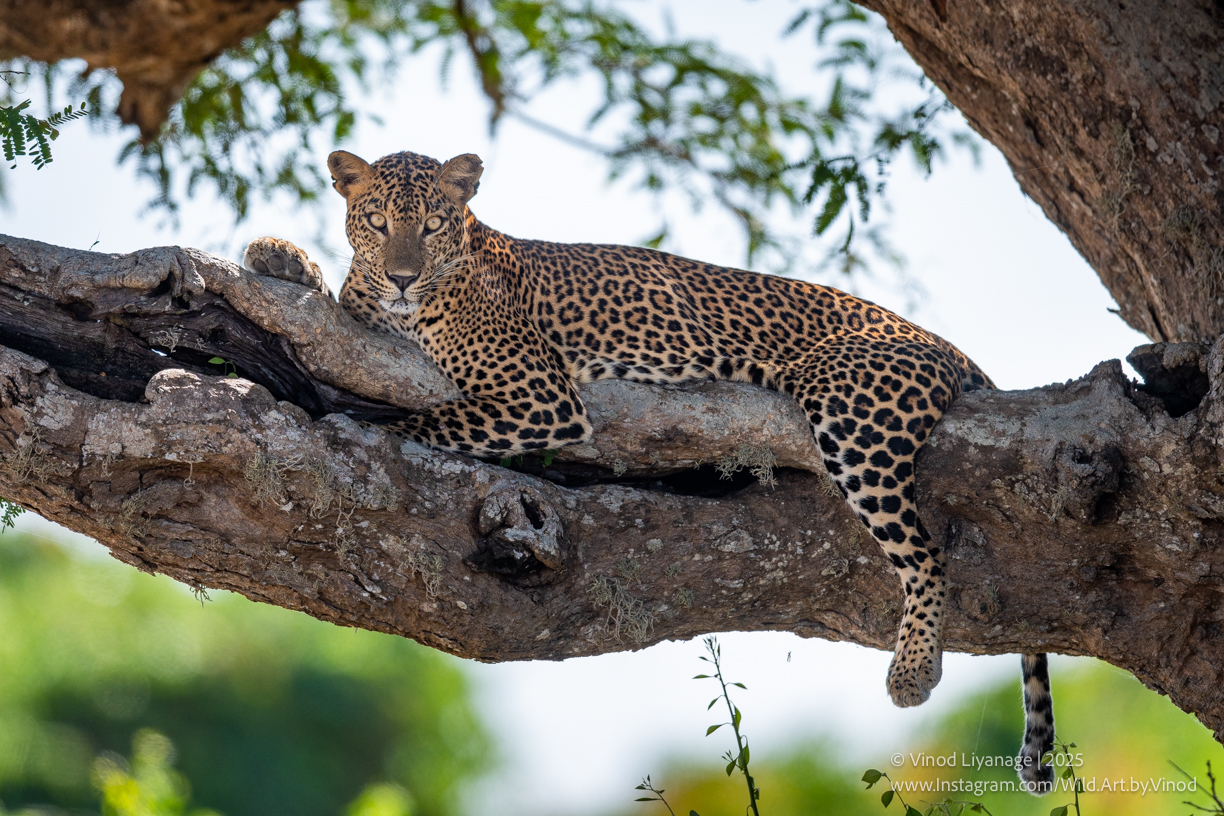
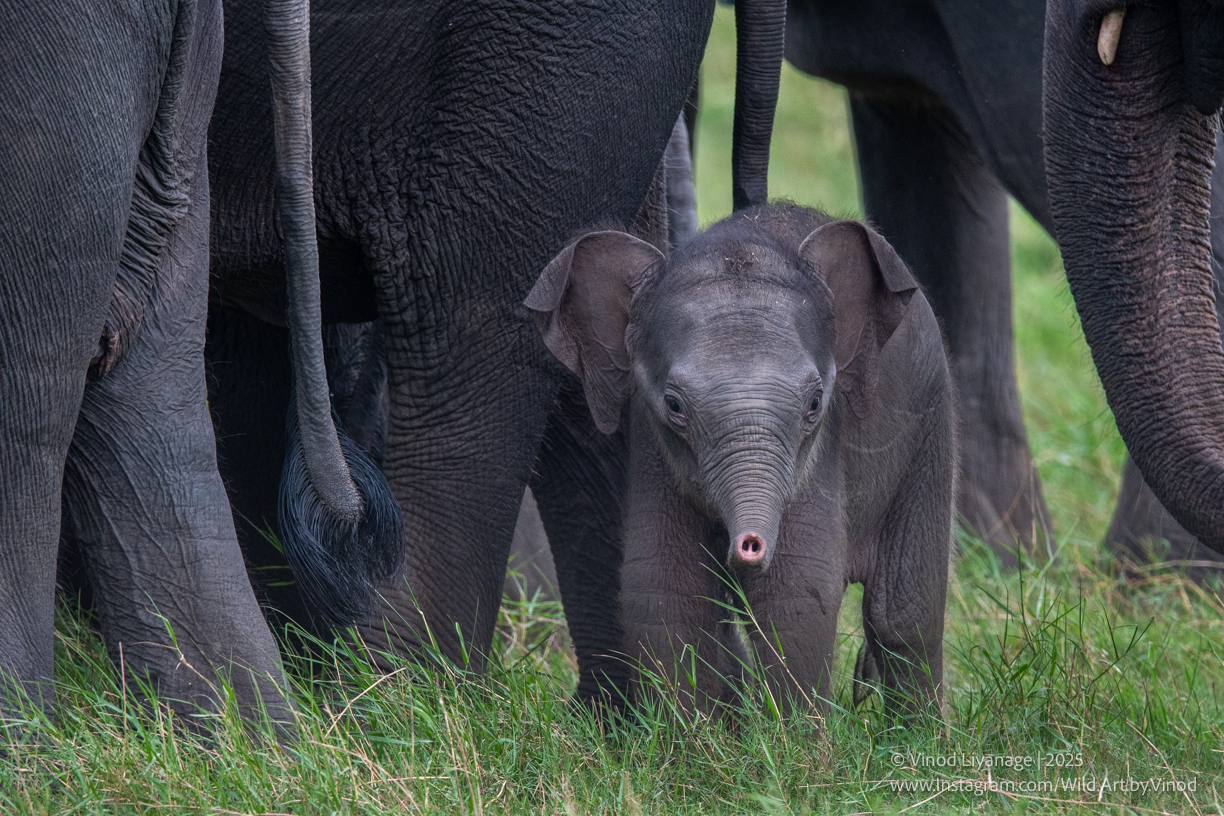
Wilpattu Buffer Zone — Forest habitat at dawn
The Quiet Protector
Deep forest monitoring and buffer zone protection
In the buffer zones surrounding Wilpattu National Park, deep forest monitoring and community education form the frontline of habitat defense. By tracking resident toque macaque troops and leopard movements without disturbance, conservation teams ensure ancient ecological corridors remain intact.
To photograph is not enough — we must ensure living ecosystems endure. Through patient observation and community collaboration, we help villagers and wildlife coexist safely along ancient forest fringes.


Anti-Poaching Patrol — Field operations in dry-zone blocks
The Leopard's Corridor
Anti-poaching patrols and habitat connectivity
Sri Lanka's apex predator requires extensive, unfragmented territory to thrive. Supporting anti-poaching patrols, camera-trap monitoring, and land connectivity studies in Yala's outer blocks safeguards the delicate balance between expanding human settlements and wilderness.
To save the gaze of the leopard, we must first defend the sacred ground it walks. Mapping movement between contiguous reserves preserves natural waterholes, scrub forest canopy, and prey densities.


The Buffer Boundary — Where agricultural lands meet wild forest habitat
Human–Wildlife Coexistence
Protecting ancient migratory paths & rural livelihoods
Where agricultural villages border ancient elephant migration paths, tension often arises. By supporting community early-warning systems, bio-fences, and educational workshops, photography serves as an empathetic bridge to protect both farming communities and wild elephant herds.
Where village meets forest, sustainable coexistence is built on mutual respect and shared design. Visual storytelling turns historic conflict into collective stewardship and conservation pride.


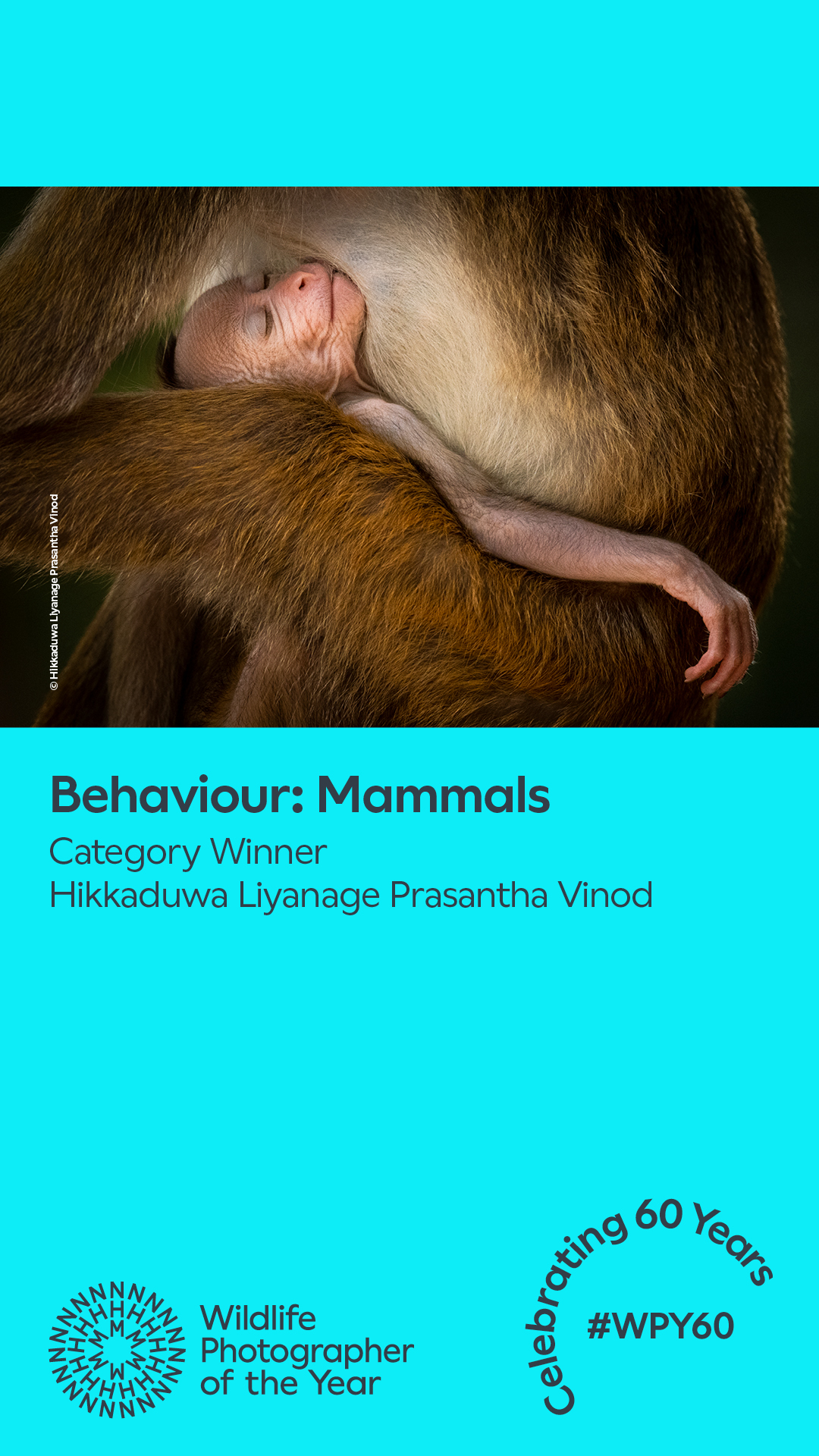
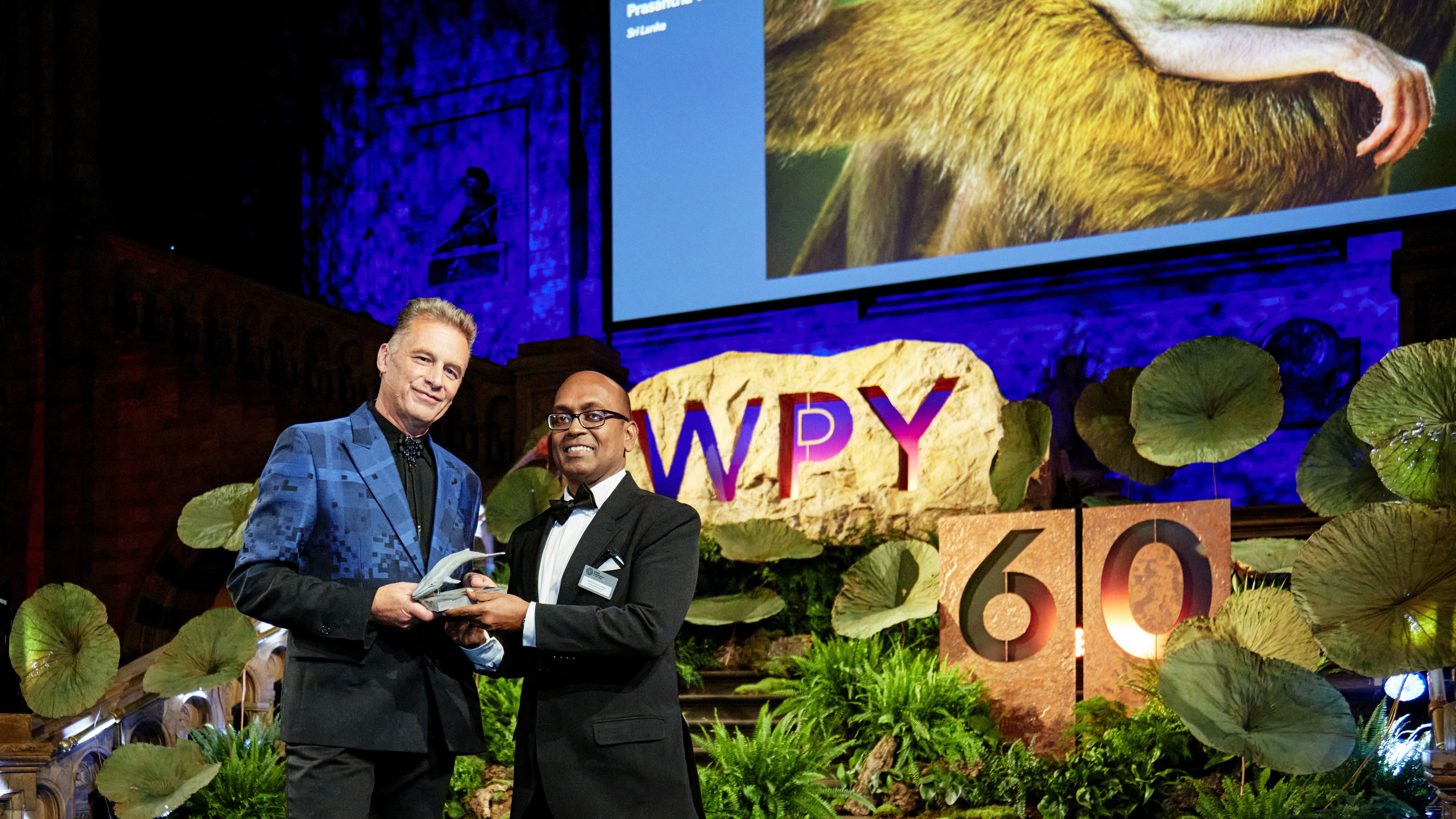
A Tranquil Moment — Winner, Wildlife Photographer of the Year 2024
Stories That Protect
Photographs as catalysts for environmental policy and protection
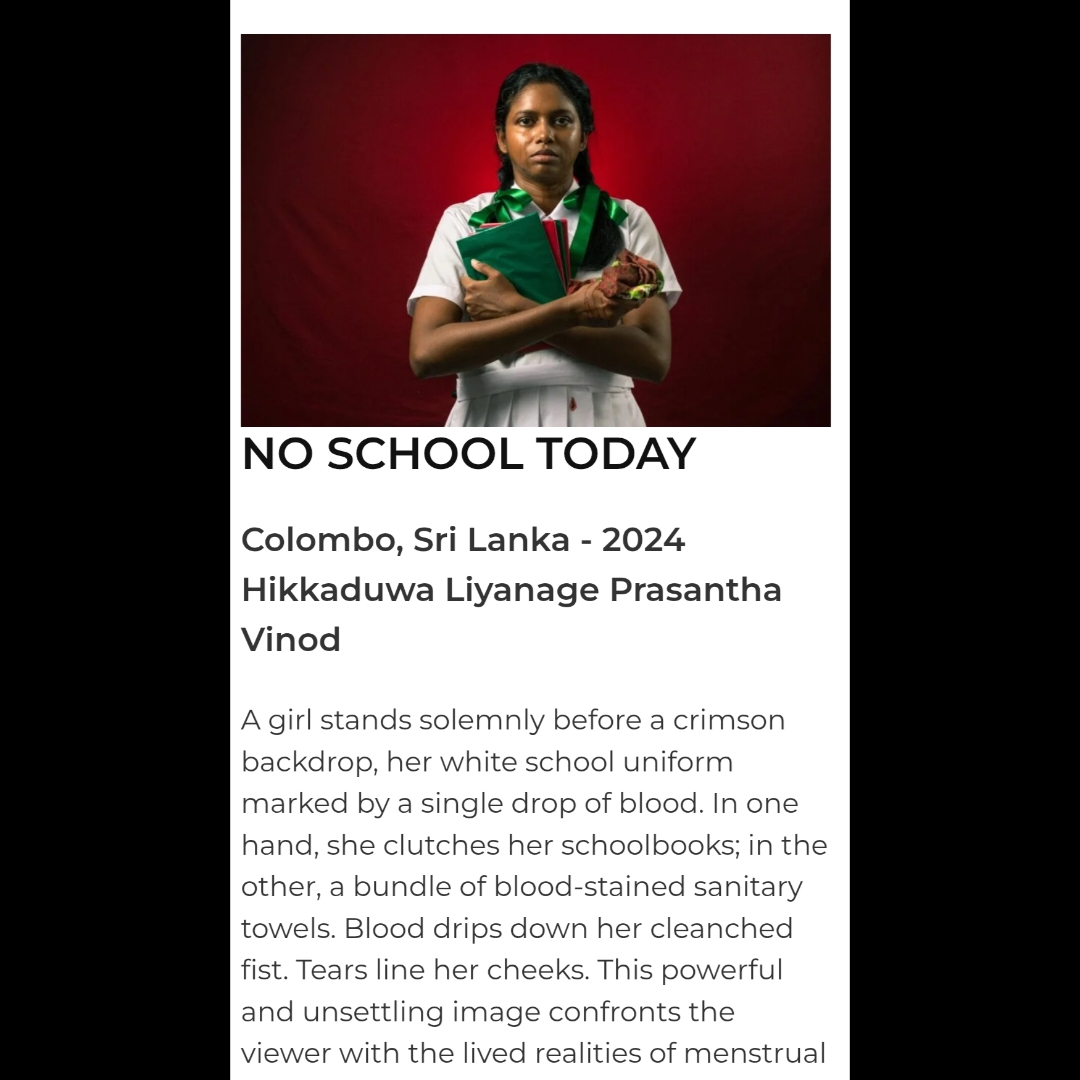
Every frame captured in the field is created with rigorous zero-disturbance ethics. Beyond fine art exhibitions, these photographs are actively utilized in international conservation advocacy, environmental publications, and policy dialogues to protect threatened endemic species.
The photograph is a catalyst to shield what is fragile and irreplaceable. From global wildlife exhibitions to parliamentary panels, visual evidence drives genuine habitat enforcement.

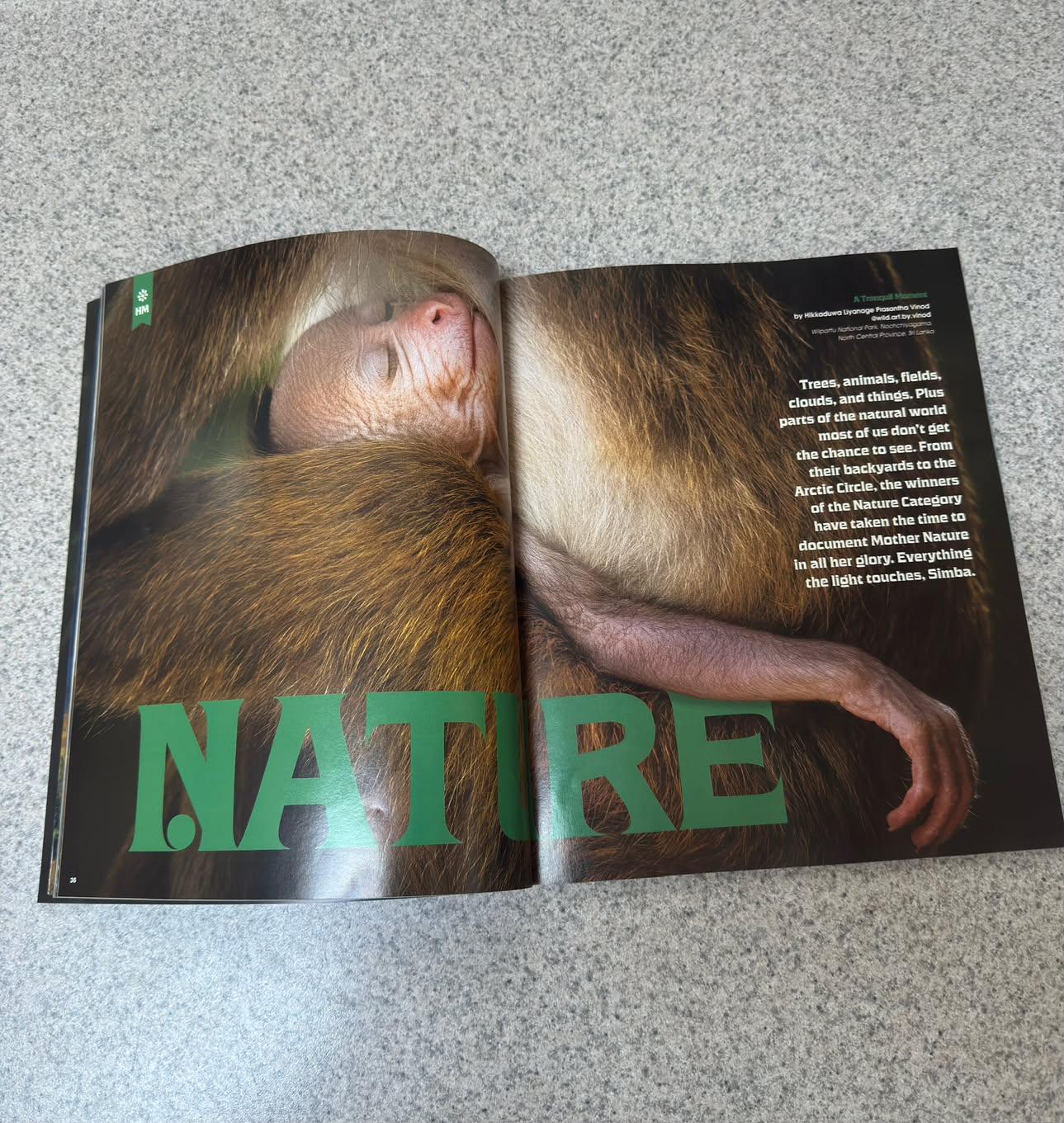
Family Field Excursions — Photography as an immersive tool to understand ecology
The Next Generation
Empowering young naturalists with patience and field ethics
Fostering conservation stewardship starts with the next generation. Through field workshops, junior wildlife photography sessions, and nature observation programs, young naturalists learn that true mastery begins with respecting, loving, and preserving wild habitats.
Photography becomes the key to love, respect, and guard what is wild and free. Instilling deep observational patience and ethical non-interference ensures Sri Lanka's wildlife endures for generations.
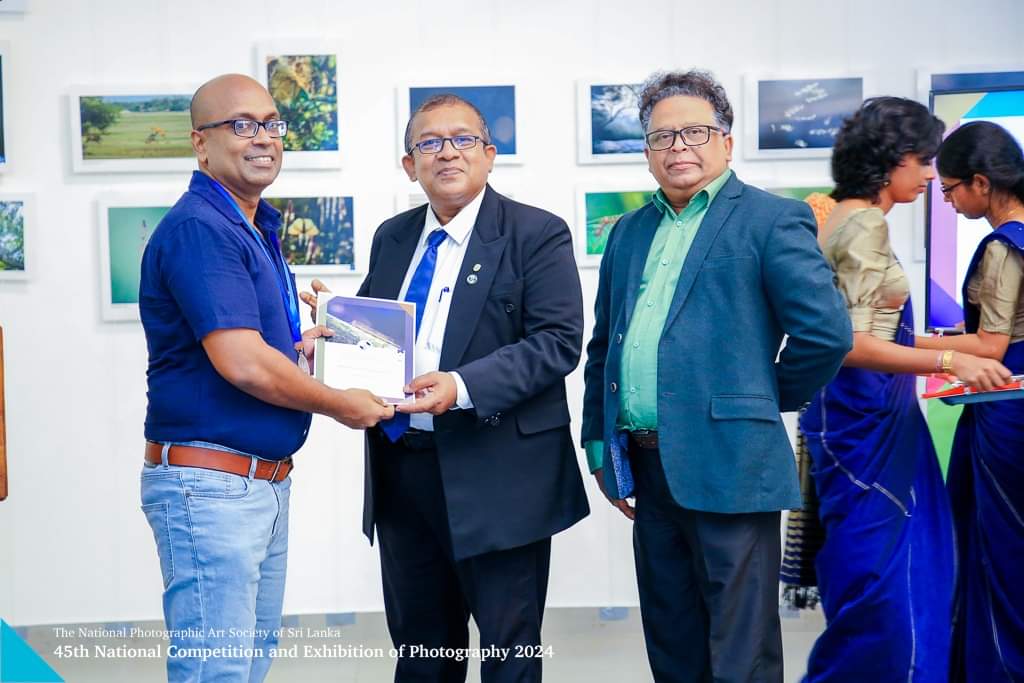
Zero-Baiting Standard — Pure natural behavior documented without interference
Field Ethics & Partnerships
100% wild, zero-baiting standard and direct field support
All field photography and monitoring operate under strict non-intrusive protocols: zero baiting, no call playback, and never disturbing nesting or breeding wildlife. We work alongside the Sri Lanka Wildlife Conservation Society and regional wardens to support field equipment and community awareness.
A portion of every print acquisition directly supports local habitat monitoring, wildlife rescue resources, and anti-poaching operations in vulnerable ecological corridors.